- Sector 13, Kharghar, Navi Mumbai.
- Call Us: +91-9930067451
- dr.amarkulkarni@gmail.com

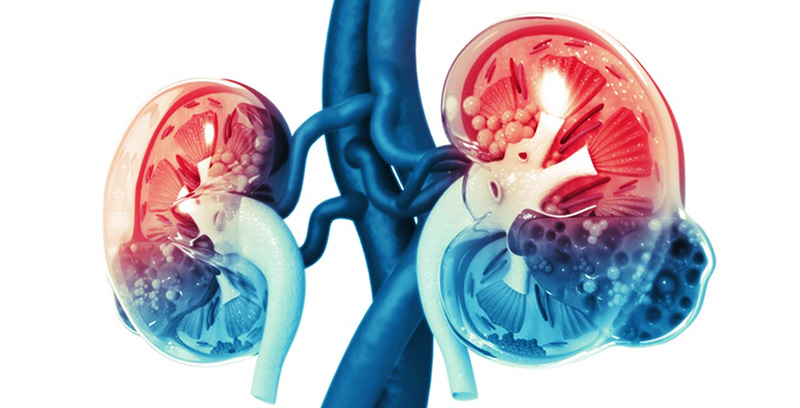
Acute kidney failure, also known as acute kidney injury (AKI), refers to a sudden and often reversible loss of kidney function. It occurs when the kidneys are unable to filter waste and excess fluids from the blood properly.
Symptoms of acute kidney failure may include:
In severe cases, acute kidney failure can cause seizures, coma, and even death.
Diagnosis of acute kidney failure involves a combination of blood tests, urine tests, and imaging studies. Blood tests can measure levels of creatinine, a waste product produced by muscles, and blood urea nitrogen (BUN), a waste product produced by the liver. Elevated levels of these substances can indicate kidney dysfunction. Urine tests can help detect protein or blood in the urine, which can also indicate kidney damage. Imaging studies such as ultrasound, CT or MRI may also be used to visualize the kidneys and identify any abnormalities.
Prompt diagnosis and treatment of acute kidney failure is important to prevent complications and reduce the risk of long-term kidney damage. Treatment may involve addressing the underlying cause of the kidney failure, such as medication toxicity, dehydration, or infection. In severe cases, dialysis may be necessary to filter waste products from the blood until kidney function is restored.

Dr. Amar Vilas Kulkarni is a Internal Medicine and Nephrologist/Renal Specialist in Navi Mumbai and has an experience of 20 years in these fields.
Copyright By Dr Amar Kulkarni.