- Sector 13, Kharghar, Navi Mumbai.
- Call Us: +91-9930067451
- dr.amarkulkarni@gmail.com

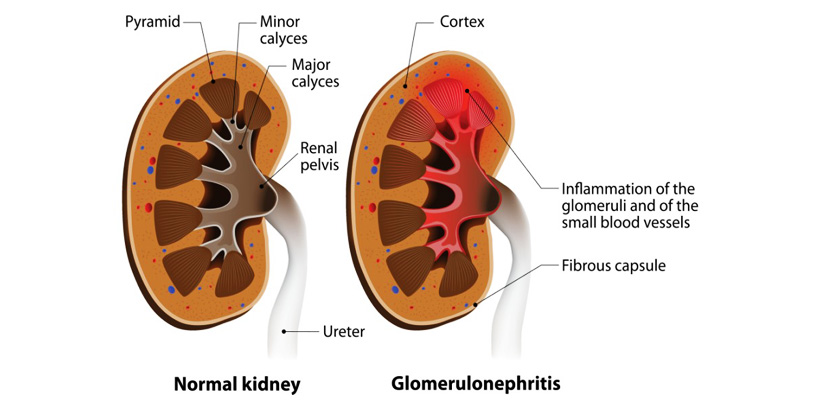
Glomerulonephritis is a medical condition that affects the kidneys. It is a type of inflammation that occurs in the glomeruli, which are tiny filters in the kidneys that remove waste and excess fluids from the blood. When the glomeruli become inflamed, they cannot function properly, which can lead to a buildup of waste and fluids in the body.
Symptoms of glomerulonephritis can vary depending on the severity of the inflammation and the underlying cause. Some common symptoms include:
Diagnosis of glomerulonephritis typically involves a physical exam, blood tests, and a urinalysis to check for the presence of blood, protein, or other abnormalities in the urine. Additional tests may include a kidney biopsy or imaging tests such as an ultrasound or CT scan.
Treatment of glomerulonephritis depends on the underlying cause and the severity of the inflammation. In some cases, the condition may resolve on its own without treatment. In other cases, medication such as steroids or immunosuppressants may be prescribed to reduce inflammation and control the underlying condition. In severe cases, dialysis or kidney transplantation may be necessary.
Prevention of glomerulonephritis involves treating and managing underlying conditions that may contribute to the development of the condition. This may include controlling blood pressure, managing diabetes, and avoiding medications or substances that may damage the kidneys.

Dr. Amar Vilas Kulkarni is a Internal Medicine and Nephrologist/Renal Specialist in Navi Mumbai and has an experience of 20 years in these fields.
Copyright By Dr Amar Kulkarni.