- Sector 13, Kharghar, Navi Mumbai.
- Call Us: +91-9930067451
- dr.amarkulkarni@gmail.com

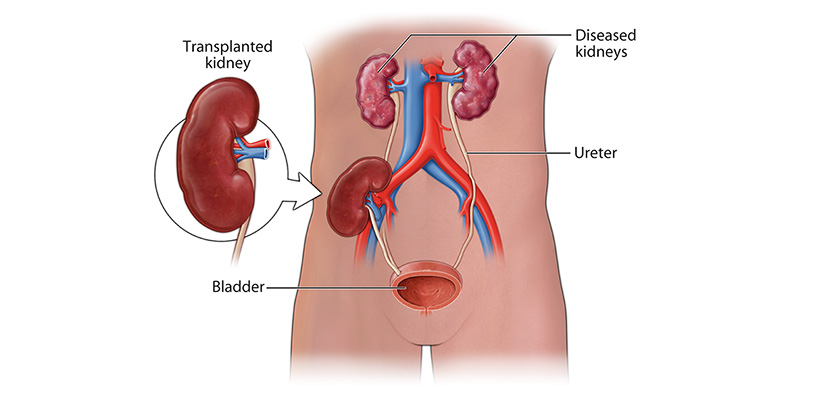
A kidney transplant is a surgical procedure in which a healthy kidney from a living or deceased donor is transplanted into a patient with end-stage renal disease or kidney failure. The transplanted kidney takes over the function of the failed kidneys and removes waste products and excess fluids from the body.
The kidney transplant procedure begins with an evaluation of the patient's medical history and physical condition. The patient undergoes several tests and medical assessments to ensure that they are a suitable candidate for the procedure. A potential donor is also evaluated to determine their medical fitness for donation.
Once a suitable donor is identified, the transplant surgery is scheduled. During the surgery, the patient is given general anesthesia, and an incision is made in the lower abdomen. The transplanted kidney is then placed in the lower abdomen and attached to the patient's blood vessels and bladder.
After the surgery, the patient is closely monitored in the hospital to ensure that the transplanted kidney is functioning properly and that there are no complications. The patient will need to take immunosuppressive medications for the rest of their life to prevent rejection of the transplanted kidney by their immune system.
The success rate of kidney transplantation is high, and most patients experience significant improvement in their quality of life after the procedure. However, kidney transplantation is a complex procedure that carries risks, and patients will need to undergo lifelong medical care and monitoring to ensure the continued health of the transplanted kidney and overall well-being.
In addition to medical considerations, ethical and legal issues are also involved in kidney transplantation, particularly with regard to organ donation and transplantation policies, allocation of donor organs, and the use of living donors.

Dr. Amar Vilas Kulkarni is a Internal Medicine and Nephrologist/Renal Specialist in Navi Mumbai and has an experience of 20 years in these fields.
Copyright By Dr Amar Kulkarni.