- Sector 13, Kharghar, Navi Mumbai.
- Call Us: +91-9930067451
- dr.amarkulkarni@gmail.com
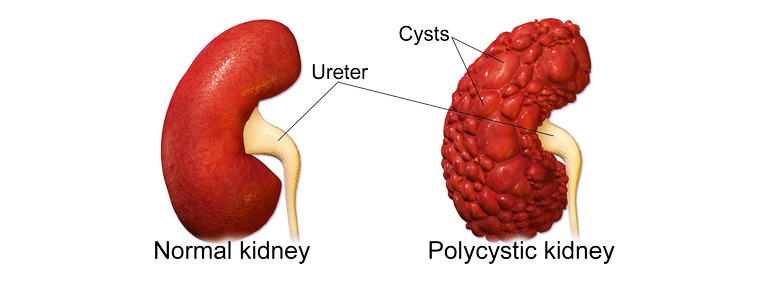
Polycystic kidney disease (PKD) is an inherited disorder in which clusters of cysts develop in the kidneys, causing them to enlarge and lose function over time. The cysts are sacs filled with fluid that can interfere with kidney function, leading to high blood pressure, kidney stones, and chronic kidney disease.
There are two main types of PKD: autosomal dominant polycystic kidney disease (ADPKD) and autosomal recessive polycystic kidney disease (ARPKD). ADPKD is the more common form and typically develops in adulthood, while ARPKD is rarer and often diagnosed in infancy or childhood.
Symptoms of PKD can include pain in the back or sides, blood in the urine, and frequent urination. Diagnosis is typically made through imaging tests such as ultrasound, CT scan, or MRI.
There is no cure for PKD, but treatment focuses on managing symptoms and slowing the progression of the disease. This may include medications to control blood pressure and pain, as well as lifestyle changes such as following a low-salt diet and avoiding caffeine and alcohol. In some cases, surgery may be necessary to remove cysts or treat complications such as kidney stones. In advanced stages of the disease, dialysis or kidney transplant may be necessary to replace lost kidney function.

Dr. Amar Vilas Kulkarni is a Internal Medicine and Nephrologist/Renal Specialist in Navi Mumbai and has an experience of 20 years in these fields.
Copyright By Dr Amar Kulkarni.