- Sector 13, Kharghar, Navi Mumbai.
- Call Us: +91-9930067451
- dr.amarkulkarni@gmail.com
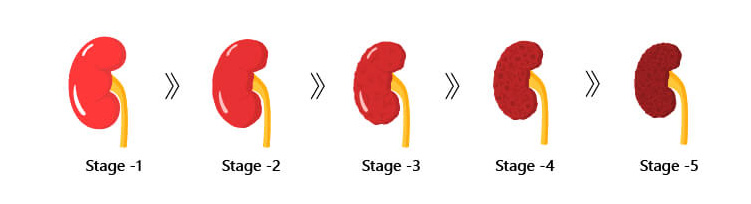
Chronic kidney disease (CKD) is a long-term condition that occurs when the kidneys are damaged and unable to filter waste and excess fluids from the blood properly. CKD develops slowly over time, and in many cases, there may be no noticeable symptoms until the disease has progressed to a later stage.
Symptoms of chronic kidney disease may include:
In advanced stages of CKD, symptoms may include nausea, vomiting, muscle cramps, and difficulty breathing.
Diagnosis of chronic kidney disease typically involves blood and urine tests to measure levels of creatinine, blood urea nitrogen (BUN), and other waste products. Imaging studies, such as ultrasound or CT scans, may also be used to assess kidney function and identify any abnormalities.
The diagnosis of CKD is based on the estimated glomerular filtration rate (eGFR), which is a measure of how well the kidneys are filtering waste products from the blood. An eGFR less than 60 mL/min/1.73 m² for three months or longer indicates the presence of CKD.
Treatment for CKD involves addressing the underlying cause of the disease and managing any associated symptoms. In early stages, lifestyle changes such as a healthy diet, exercise, and quitting smoking can help slow the progression of the disease. Medications may also be prescribed to control high blood pressure or treat other conditions that can contribute to CKD.
In advanced stages of CKD, dialysis or kidney transplantation may be necessary to replace the function of the damaged kidneys.

Dr. Amar Vilas Kulkarni is a Internal Medicine and Nephrologist/Renal Specialist in Navi Mumbai and has an experience of 20 years in these fields.
Copyright By Dr Amar Kulkarni.